Energy Literacy and Sustainability Culture
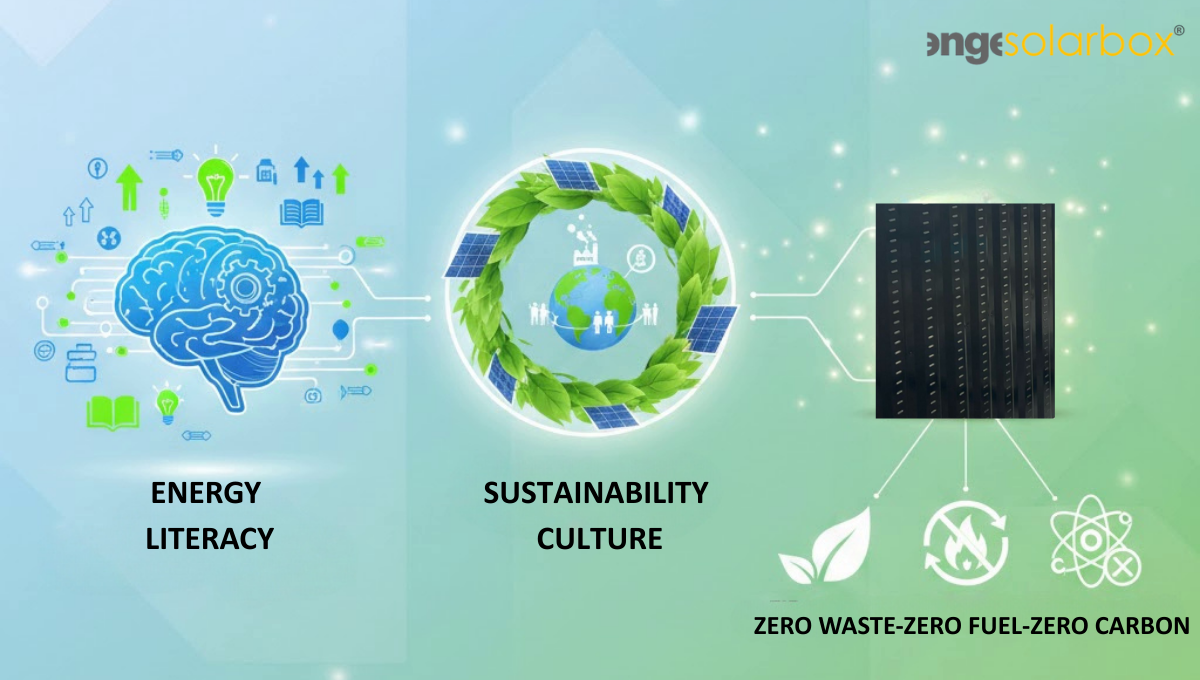
Over time, this awareness evolves into a broader sustainability culture that influences societies and organizations.
Consciously Shaping the Energy Transition of the Future
Energy Awareness: The Foundation of a New Cultural Transformation
The world is changing rapidly. Access to energy resources, rising costs, the climate crisis, and carbon neutrality goals have become part of the shared global agenda—not only for the energy sector, but for every business and every individual.
At the heart of this transformation lies a critical concept: energy literacy.
Energy literacy is not simply “using energy efficiently.” It means understanding how energy is produced, how it is consumed, which technologies are more sustainable, and how our individual behaviors impact the environment.
Over time, this awareness evolves into a broader sustainability culture that influences societies and organizations.
This article explores why energy literacy is essential for both individuals and businesses and how a strong sustainability culture can be developed.
What Is Energy Literacy?
Energy literacy is the ability to understand all processes related to energy and make informed, responsible decisions based on this awareness.
It is examined in three main dimensions:
1. Knowledge
Understanding energy types, renewable resources, consumption areas, and environmental impacts.
2. Behavior
Making conscious choices in energy use, reducing waste, selecting the right systems and technologies.
3. Attitude
Seeing energy as a valuable, finite resource and adopting a mindset aligned with sustainability.
When combined, these elements create strong energy awareness at both individual and societal levels.
Why Do We Need Energy Literacy?
Rising Energy Costs
For businesses, energy is one of the major components of operational expenses.
Energy literacy enables the identification of unnecessary consumption and the selection of efficient technologies.
Climate Crisis and Carbon Footprint
Every activity—production, transportation, heating—affects the environment.
As awareness increases, carbon footprints decrease.
Efficiency and Competitive Advantage
Energy-conscious companies consume less energy, generate less waste, and build a stronger sustainable brand image.
Need for Societal Transformation
As energy awareness grows across society, renewable energy adoption accelerates.
How to Build a Sustainability Culture
A sustainability culture is a value system that shapes the behavior, decision-making, and expectations of organizations or communities.
Energy literacy is the foundation of this culture.
Key steps for building a sustainability culture include:
1. Training and Awareness Programs
Employee training, internal communication campaigns, and regular information sharing are essential.
Behavior changes as awareness increases.
2. Choosing the Right Energy Systems
Renewable energy resources are no longer optional—they are a necessity.
Technologies like ENGESOLARBOX®, which provide solar-powered heating and ventilation, make sustainability a practical, real-world practice.
3. Energy Monitoring and Evaluation
To manage energy correctly, you must first measure it.
Smart monitoring systems allow businesses to identify consumption patterns and savings potential.
4. Corporate Strategies and Policies
Energy efficiency and sustainability should be integrated into corporate goals, from purchasing to production processes.
5. Encouraging Employee Participation
A sustainability culture cannot be imposed—it must be built collectively.
Lasting transformation requires active employee engagement.
Benefits of Energy Literacy for Businesses
An energy-conscious organization gains more than energy savings:
- Reduced operational costs
- Improved production performance
- Increased brand value
- Higher employee satisfaction
- Stronger ESG reporting performance
- Compliance with green transformation policies
Sustainability is no longer a “differentiating feature”—it has become a global necessity.
Supporting Sustainability Culture with ENGESOLARBOX®
Renewable energy solutions are the most tangible expression of energy literacy.
ENGESOLARBOX® Solar Heat Walls and Solar Air Collectors are powerful tools for supporting sustainability culture.
These systems offer businesses:
- Fossil-fuel-free heating
- Eco-friendly ventilation
- Enhanced energy efficiency
- Lower carbon footprint
- Long-term cost advantages
- A modern, environmentally responsible production model
Thus, an energy-literate organization naturally gravitates toward renewable technologies as part of its cultural evolution.
Why Societal Energy Literacy Matters
For a sustainable future, individual energy awareness is as important as organizational awareness.
Increasing energy literacy across society leads to:
- More conscious consumption
- Stronger environmental sensitivity
- Wider support for renewable energy investments
- Sustainability awareness across generations
- More efficient use of national energy resources
As energy literacy spreads, sustainability culture takes root.
Energy Awareness Is the Most Valuable Resource of the Future
Energy literacy is the strongest key to unlocking a sustainable future.
Rising awareness in both society and businesses not only reduces costs but also shapes environmentally responsible lifestyles.
As Enge Energy, we support this transformation not only through solar technologies but also by contributing to the cultural dimension of sustainability.
When energy literacy and sustainability culture grow together, both the present and the future become more secure.
Achieving the vision of “Zero Fuel – Zero Waste – Zero Carbon” begins with awareness.
Similar Content