Gaining Competitive Advantage in Energy-Intensive Industries
Rising energy prices, carbon tax regulations, environmental compliance, and customer expectations have made energy efficiency and renewable energy integration the most critical tools for gaining a competitive edge in these sectors.
Challenges of High Energy Consumption
In the industrial world, some sectors inherently consume large amounts of energy. Energy-intensive industries such as steel, cement, chemicals, food processing, and textiles face a challenging landscape because energy costs constitute a significant portion of total operating expenses.
Rising energy prices, carbon tax regulations, environmental compliance, and customer expectations have made energy efficiency and renewable energy integration the most critical tools for gaining a competitive edge in these sectors.
Key Challenges in Energy-Intensive Industries
1. High Energy Costs
Energy bills can account for 30–50% of production costs.
2. Carbon Emission Pressure
Carbon taxes and the requirement to report carbon footprints in international trade directly affect energy-intensive industries.
3. Competitive Pressures
Energy management plays a vital role in maintaining competitiveness against countries with lower production costs.
Energy Solutions for Competitive Advantage
1. Energy Monitoring and Management Systems
- Monitor consumption in real time
- Identify inefficiencies
- Optimize energy efficiency projects
Enge Energy’s IoT-based energy monitoring solutions enable companies to manage all data from a single platform.
2. Waste Heat Recovery
- Reuse of heat generated during production processes
- 20–30% reduction in energy demand
- Lower carbon emissions
Enge Energy’s solar heat recovery systems provide high efficiency in factories.
3. Solar Heat Wall
- Integrated into factory facades
- Heats incoming air using solar energy
- Reduces heating costs by up to 30%
- Suitable for food, agriculture, and chemical sectors
- Engesolarbox® technology enables hygienic and low-carbon production
5. Renewable Energy Integration
- PV panels installed on rooftops and open areas
- Long-term reduction in energy costs
- Carbon-neutral production processes
Green Certifications and International Competitiveness
Obtaining green certifications in energy-intensive industries is not just about environmental responsibility—it also provides a competitive edge in international markets.
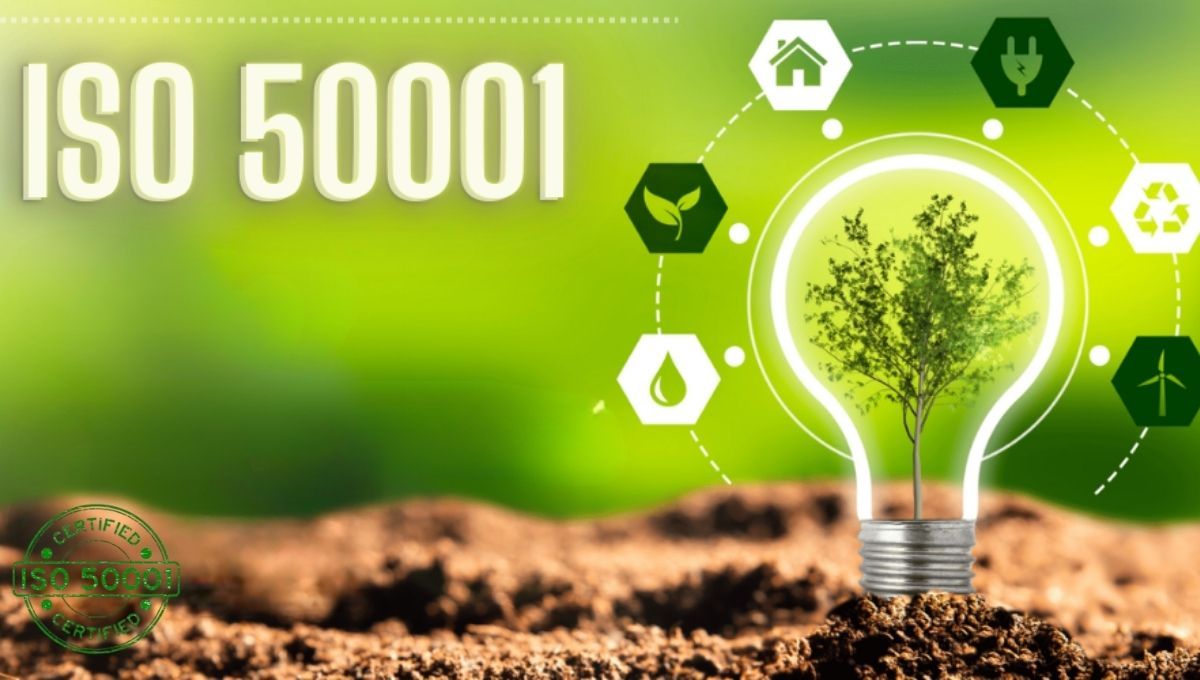
- ISO 50001 Energy Management System
- Green building certifications such as LEED, BREEAM
- Compliance with the EU Green Deal
Economic Benefits
Short-Term
- 10–20% savings on energy bills
- Reduction in operating costs
Mid-Term
- Payback on investment within 3–7 years
- Exemption from carbon taxes
Long-Term
- Sustainable production
- Strong brand image
- Lasting competitive advantage in global markets
Enge Energy Solutions
Enge Energy develops integrated energy solutions for energy-intensive sectors:
- Solar Heat Wall facade systems for heating efficiency
- Engesolarbox® solar drying technology for sustainable production
- Solar heat recovery systems to prevent energy loss
- Energy monitoring software for real-time consumption control
These solutions not only reduce energy costs but also accelerate companies’ journey toward carbon-neutral production.
Looking Ahead: Energy-Efficient and Carbon-Neutral Industry
The future competitive advantage in energy-intensive sectors will depend entirely on energy efficiency and carbon neutrality.
- AI-powered energy management
- Production simulation with digital twins
- Production lines based on renewable energy
Competitive Power Through Energy
Success in energy-intensive industries is no longer determined solely by production capacity but by the ability to manage energy efficiently and sustainably.
With Enge Energy’s innovative solutions, companies can reduce energy costs while achieving lasting competitive advantage in international markets.
Similar Content